Independent proposal for Aethermind AI

Folded
light.

A folded-paper lighting prototype for object designers. Shape a shade, set the light inside it, and compare two ways a pleat might catch the light.

Open the light table
28 folds · 12.86° apart
FIG. 01Vesper, in warm light

Studio brief

Paper around
a light.

Folded Light is an independently developed browser prototype proposed for Aethermind AI (aethermindstudio.com). It starts with a question a lighting designer can bring to a workbench. How closely should the folds sit on a small table lantern so its silhouette still reads from across a room?

Use this sheet during an early sketch review. An object designer can agree on an outline with a maker, compare the spacing of the ribs, then choose which paper sample to fold by hand. Everything on the light table comes from three profile curves and the settings you give them. Each drawing can be made again.

Form & illumination

The light table.

Start with Vesper for a rounded middle. Spire narrows at the crown. Bloom opens into a wider shoulder. Keep the temperature steady for the first comparison so a change in tint cannot disguise a change in outline.

Vesper / 28 folds / 3300 K

Study settings

Silhouette
28 folds
Open pleatsFine pleats
3300 K
Warm amberCool daylight

56 contour points per ring · 12.86° between ridges

Vesper / worked study

One more crease?
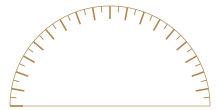
28 folds
12.86°
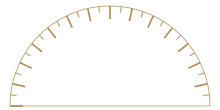
36 folds
10°

Reset opens Vesper with 28 folds at 3300 K. Set the fold count to 36 and the ridges move from 12.86° to 10° apart. The profile stays the same while the bands become narrower. Save a study image at each setting, then stand back and decide which outline reads better.

Each ruler shows half a turn. Long marks pick out outer ridges and short marks show the valleys between them. Divide 360° by the number of folds to find the angle between ridges. A complete ring has 56 contour points at 28 folds and 72 contour points at 36.

Material notes

Inside the fold.

A ridgeline in section

The drawing is built from rings, with points alternating between ridges and valleys. JavaScript shades the faces and paints them into a 2D canvas. It carries no dimensions in millimetres. The section above unrolls one ring so you can count its ridges. Move the fold-density slider and the number of peaks follows it.

Paired paper samples

Light on a pleat.

Two strips share the light table’s fold count and temperature. The translucent sheet takes a stronger backlight. The coated card holds a tighter highlight. These are illustrative recipes. Fold a physical swatch to check transmission, grain direction and cracking before selecting stock.

Turn the side light across the pleats and compare the bright ridge with its neighbouring valley. The readout samples one pixel at the centre of each strip. Record the angle with the RGB values if you want to repeat the comparison on the same screen.

Translucent sheet

Backlight weight 0.70
Highlight exponent 8

Coated card

Backlight weight 0.16
Highlight exponent 48

The optional comparison runs locally with WebGL2. The light table and its PNG export work separately.

Bench comparison

Take two drawings
to the bench.

Save Vesper at 28 folds, then at 36. Print both, pin them side by side and step back across the room. Whichever outline still reads is the spacing to fold by hand. A paper strip will show how the material behaves. These drawings tell you which strip to cut first.

Save Vesper at 28 folds and 3300 K to pin the first drawing here.

28 folds · 12.86°

Save Vesper at 36 folds and 3300 K to pin the second drawing here.

36 folds · 10°
Return to the light table

This independent design preview lists no public enquiry channel.